Discovering the Development of Style: How Timeless Designs Remain To Inspire Today
Fashion is a reflection of societal adjustments and cultural shifts. Ageless designs from various ages proceed to resonate, affecting modern layout. This interaction between past and present highlights the significance of historic aesthetic appeals in modern-day closets. Each years carries its one-of-a-kind significance, shaping exactly how people reveal themselves today. What elements from these previous designs continue in present patterns, and exactly how do they redefine personal identity in the style landscape?
The Flapper Period: Embracing Liberty and Feminine Expression
The Flapper Age noted a significant change in women's fashion and social duties during the 1920s. Young women, called flappers, accepted a brand-new sense of flexibility defined by much shorter hemlines, baggy gowns, and vibrant devices. This fashion revolution signified a break from standard womanhood, promoting a more liberated way of living where females could reveal themselves honestly. The famous bob hairstyle and cloche hats became typical of this activity, reflecting a being rejected of Victorian norms. Flappers frequently adorned themselves with pearls, plumes, and edge, symbolizing a playful spirit that reverberated with allure Age. This era not just transformed ladies's clothes but also challenged standard sex roles, leading the way for future generations to check out and redefine their identifications via style.
The Glamour of the Golden Era: Hollywood's Influence on Fashion
Arising from the liberated spirit of the Flapper Period, the Golden Age of Hollywood in the 1940s and 1930s introduced a new degree of glamour and refinement to fashion. Renowned starlets such as Greta Garbo, Bette Davis, and Katharine Hepburn came to be trendsetters, symbolizing style through ingenious layouts and lavish textiles. The attraction of the silver screen mesmerized target markets, affecting everyday clothing. Movie outfits, usually designed by renowned couturiers, showcased beautiful outlining and craftsmanship, motivating a desire for high style amongst the masses. The period's emphasis on feminineness and gloss led the way for timeless shapes, consisting of the traditional evening dress and customized suits. Hollywood's influence throughout this duration solidified its status as a powerful force in shaping international style patterns.
The Bold Declarations of the '60s and '70s: Changing Style
As societal turmoil and social shifts specified the 1960s and 1970s, fashion flourished on vibrant expressions and radical experimentation. This era was defined by vibrant colors, copyright patterns, and innovative shapes that challenged traditional norms. Developers like Yves Saint Laurent and André Courrèges presented concepts such as unisex and ready-to-wear clothing, reflecting an expanding need for liberty and individuality. The mod activity welcomed striking accessories and geometric layouts, while the hippie visual renowned bohemian styles and all-natural materials. Songs symbols like Jimi Hendrix and Janis Joplin influenced dig this trends, emphasizing self-expression via diverse wardrobes. The fashion of the '60s and '70s not just reinvented style but additionally functioned as a graph of the altering social landscape, leaving a lasting effect on future generations.
The Power Fits and Punk Aesthetic of the '80s
Modern Interpretations: Just How Timeless Designs Shape Today's Trends
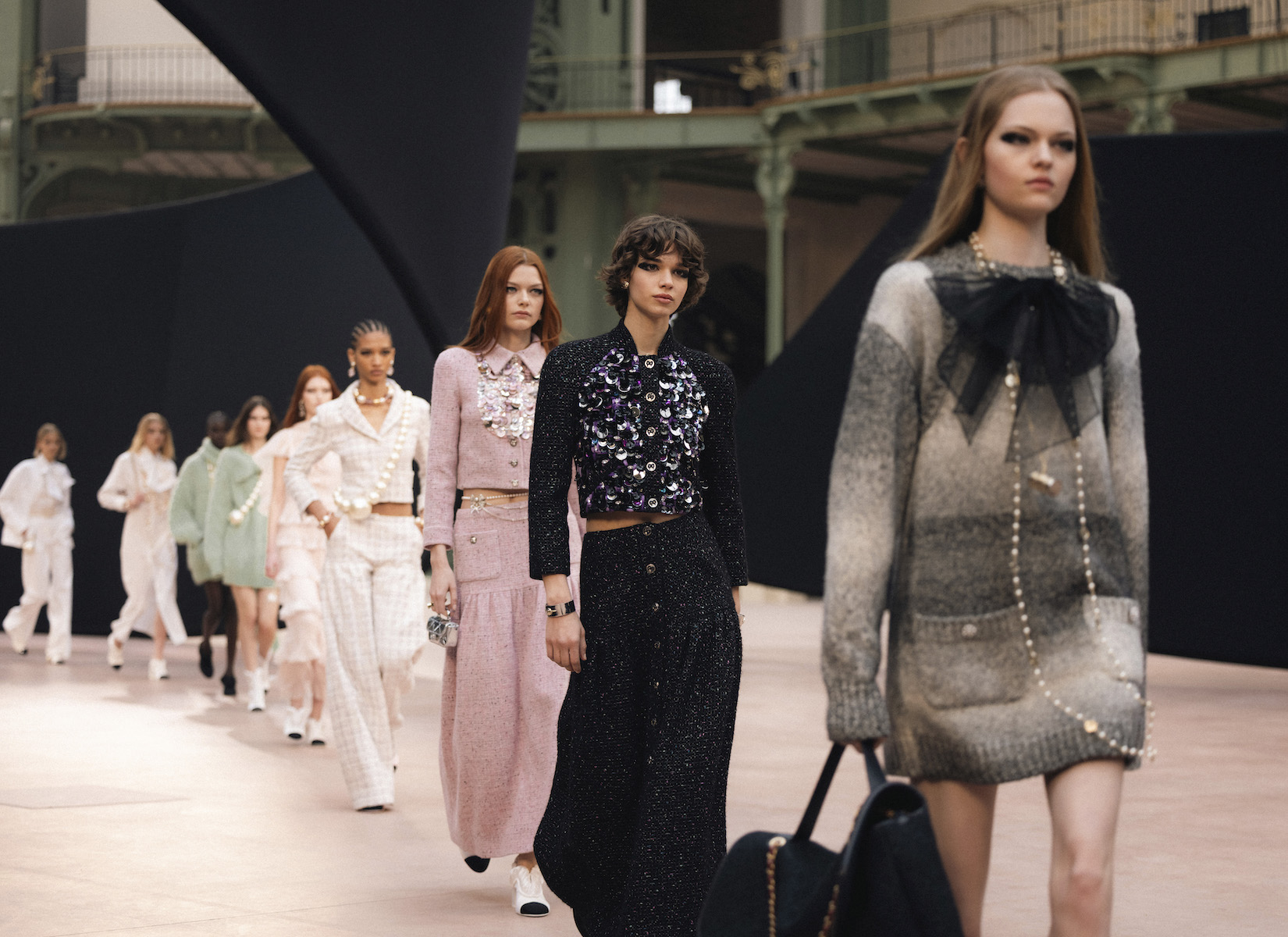
Traditional designs from previous years proceed to apply a powerful influence on modern fashion fads. Modern designers regularly draw inspiration from renowned shapes, materials, and patterns, mixing them with ingenious aspects. The structured power suit, when emblematic of the '80s, has been reimagined with relaxed fits and sustainable materials, appealing to today's eco mindful consumers. In addition, the punk visual, characterized by edgy textures and graphic prints, has found its way into mainstream collections, signifying rebellion and uniqueness. Retro shade palettes and vintage accessories are also making a resurgence, allowing a smooth combination of past and present. Ultimately, these modern analyses not just commemorate the heritage of timeless designs Read Full Article however also redefine them for a new generation, creating a rich tapestry of fashion development.
Regularly Asked Questions
Just How Did Fashion Impact Social Movements Throughout History?
Style has profoundly influenced social activities by acting as a tool for self-expression, identification, and collective activity (Fashion). It has actually aided challenge norms, promote equality, and check here combine varied groups, eventually forming political and social landscapes throughout background
What Role Does Sustainability Play in Modern Fashion?
Who Are Today's Influential Fashion Developers?
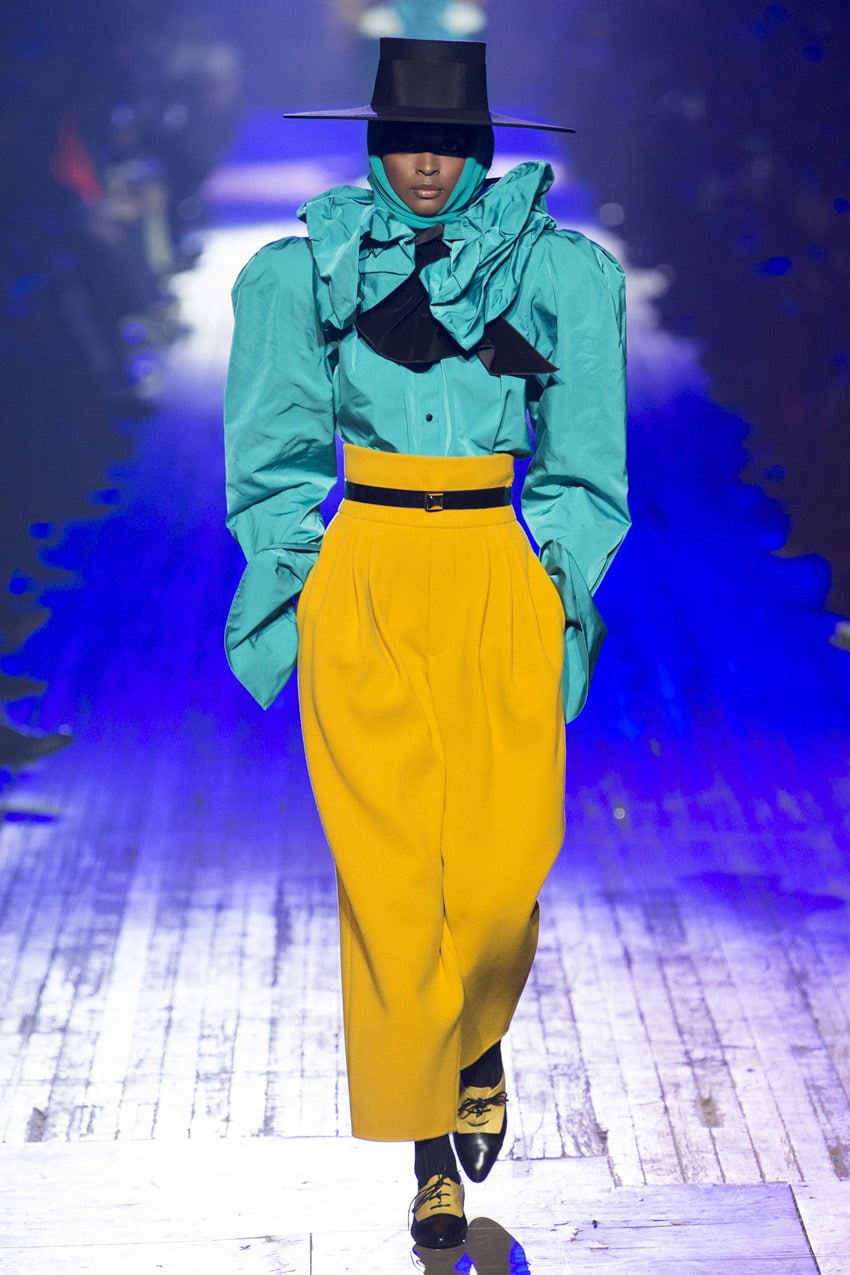
Today's significant designer include names like Virgil Abloh, Balenciaga's Demna Gvasalia, and copyright's Alessandro Michele, whose one-of-a-kind aesthetic appeals and innovative approaches continue to shape patterns and motivate both consumers and aiming developers worldwide. (Fashion)
How Do Cultural Patterns Shape Style Development?
Cultural patterns substantially shape fashion development by mirroring social values, technical innovations, and creative movements. Designers frequently attract ideas from these patterns, leading to styles that resonate with modern audiences while honoring historic impacts.
What Are the Crucial Element of Classic Style?
Secret elements of ageless style include simpleness, adaptability, high quality materials, and timeless silhouettes. These features ensure attire remain pertinent across generations, allowing people to reveal individual identity while adapting to changing cultural trends in vogue.
